
What Hair Transplants Can Do and Can’t Do
For many, hair transplants seem to be the ultimate solution, promising to restore a full head of hair. However, this surgical procedure isn’t suitable for everyone. Before considering hair transplants in Maryland or elsewhere, it is important to understand the limitations and potential drawbacks for hair transplant procedures. At Studio 5 in Mechanicsville, Maryland, we get these questions a lot! So, we thought it might be a good idea to take a look at five key reasons why hair transplants may not work or be the ideal choice for some individuals and explore possible alternative options you may wish to consider.
How Do Hair Transplants Work?
Hair transplantation is a surgical technique that involves moving hair follicles from a ‘donor’ area of the body, typically the back or sides of the scalp, to a bald or thinning area known as the ‘recipient’ site. This procedure has gained popularity due to its ability to provide natural-looking results for those experiencing hair loss.
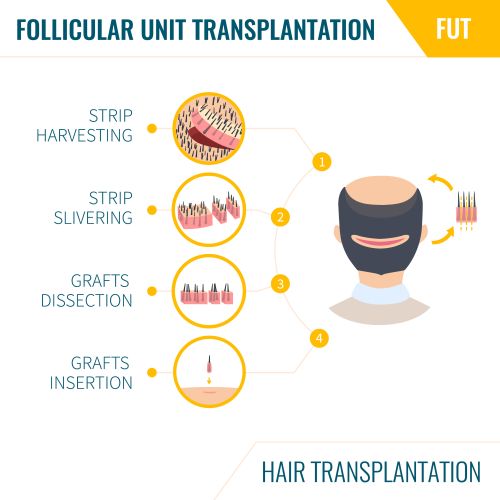
There are two primary methods of hair transplantation: Follicular Unit Transplantation (FUT) and Follicular Unit Extraction (FUE). FUT involves removing a strip of skin with hair follicles from the donor area and then dissecting it into individual grafts for transplantation. FUE, on the other hand, extracts individual follicular units directly from the donor area using a small punch tool.
While hair transplants won’t work for everyone, they can be effective for many people, they are not a one-size-fits-all solution. Various factors can influence the success of the procedure and affect whether such a procedure will work or if a hair transplant procedure or determine whether a hair transplant procedure will or won’t work for a specific individual.
Reason 1: Insufficient Donor Hair
One of the most significant limitations of hair transplantation is the availability of donor hair. The success of a hair transplant largely depends on having an adequate supply of healthy hair follicles to transplant from the donor area to the recipient site.
For individuals with extensive hair loss or those who have a genetic predisposition to widespread thinning, there may not be enough donor hair to achieve the desired results. This is particularly problematic for those with advanced stages of male or female pattern baldness, where hair loss has progressed significantly across the scalp.
The quality of the donor hair is also a critical factor. If the remaining hair is weak or prone to falling out, it may not survive the transplantation process or provide long-lasting results. This can lead to disappointment and the need for additional procedures in the future.
Moreover, even if there is sufficient donor hair at the time of the initial transplant, ongoing hair loss in non-transplanted areas can create an uneven or unnatural appearance over time. This is why it’s important to consider the long-term progression of hair loss when evaluating the suitability of a hair transplant.
For those with limited donor hair, alternative solutions such as scalp micropigmentation or non-surgical hair replacement systems might be more appropriate. These options can provide the appearance of fuller hair without relying on a large supply of donor follicles.
Reason 2: Ongoing or Rapid Hair Loss
Hair transplantation is most effective when performed on individuals with stable hair loss patterns. For those experiencing active or rapidly progressing hair loss, a transplant may not provide long-lasting or satisfactory results.
When hair loss is still ongoing, there’s a risk that the areas surrounding the transplanted hair will continue to thin, creating an uneven or patchy appearance. This can lead to a need for multiple procedures over time, which can be costly and may not always yield the desired outcome.
Younger individuals, in particular, may need to exercise caution when considering hair transplants. Hair loss patterns can change drastically throughout a person’s twenties and early thirties, making it challenging to predict the final extent of baldness. Undergoing a transplant too early could result in an unnatural hairline or distribution as hair loss inevitably progresses.
Before opting for a hair transplant, it’s advisable to stabilize hair loss through other means. This might include the use of medications like finasteride or minoxidil, which can slow down or even halt the progression of male pattern baldness. Some doctors recommend using these treatments for at least a year before considering surgical options.
For those with rapid or unpredictable hair loss, exploring non-permanent hair loss solutions might be a better approach. These could include temporary hair systems or scalp concealers that can be adjusted as hair loss patterns change over time.
Reason 3: Unrealistic Expectations
One of the most common reasons for dissatisfaction with hair transplants is unrealistic expectations. While modern hair transplantation techniques can produce remarkable results, they cannot fully restore the hair density of one’s youth or create an entirely new head of hair.
Many individuals approach hair transplants with the hope of achieving the same fullness and thickness they had before they started losing their hair. However, the reality is that hair transplants work with the existing hair and can only redistribute it to areas of thinning or baldness. The final result is often an improvement in appearance and coverage, but it does not match the density of a full head of natural hair. Hair transplants won’t work in terms of restoring overall density since transplantation is redistribution of existing hair and not growth of new hair. The unfortunate truth is that once a hair follicle dies, it is gone forever. This is why early action to stop hair loss with appropriate treatment is so vital.
It is also important to understand that hair transplants won’t work to stop the natural aging process or prevent future hair loss. Transplanted hair can thin over time, and surrounding non-transplanted areas may continue to lose hair. This means that additional procedures might be necessary in the future to maintain the desired look, assuming the presence of sufficient donor hair.
Moreover, the success of a hair transplant can vary depending on factors such as hair type, skin tone, and the skill of the surgeon. While some individuals may achieve dramatic transformations, others might see more subtle improvements. Managing these expectations is key to ensuring satisfaction with the outcome.
Before deciding on a hair transplant, it is absolutely critical to have an in-depth consultation with an experienced, qualified hair restoration specialist. They can provide a realistic assessment of what can be achieved based on your individual circumstances and help you understand the long-term implications of the procedure.
Reason 4: Medical Contraindications
While hair transplants are generally considered safe, certain medical conditions can make the procedure risky or unsuitable. It’s important to undergo a comprehensive health evaluation before considering a hair transplant to ensure that you’re a good candidate from a medical standpoint.
Some medical conditions that may contraindicate hair transplant surgery include:
- Autoimmune disorders: Conditions like alopecia areata, where the immune system attacks hair follicles, can make transplanted hair susceptible to loss.
- Blood clotting disorders: Individuals with hemophilia or other bleeding disorders may face increased risks during and after surgery.
- Scalp disorders: Active scalp infections, psoriasis, or severe scarring can interfere with the success of the transplant and healing process.
- Certain medications: Some medications, particularly blood thinners, may need to be discontinued before surgery, which isn’t always possible for all patients.
Additionally, individuals with a history of keloid scarring may be at higher risk of developing noticeable scars from the procedure. This can be particularly problematic in FUT (strip) method transplants.
It’s also worth noting that hair transplants may not be recommended for individuals undergoing chemotherapy or radiation therapy, as these treatments can affect hair growth and healing.
For those with medical contraindications, non-surgical hair restoration options might be more appropriate. These could include topical treatments, oral medications, or non-invasive therapies like low-level laser treatment (LLLT) or platelet-rich plasma (PRP) therapy.
Reason 5: Financial Considerations
Hair transplant surgery represents a significant financial investment, which can be a limiting factor for many individuals. The cost of a hair transplant can vary widely depending on factors such as the extent of hair loss, the number of grafts required, the technique used, and the location of the clinic.
In Maryland and other parts of the United States, the cost of a hair transplant can range from several thousand to tens of thousands of dollars. This expense is typically not covered by health insurance, as it’s considered a cosmetic procedure in most cases.
Moreover, it’s important to consider that a single hair transplant may not be sufficient to achieve the desired results. Some individuals may require multiple sessions over time, especially if hair loss continues to progress. This can significantly increase the overall cost of treatment.
The financial aspect becomes even more complex when considering the potential need for ongoing maintenance. This might include the cost of medications to prevent further hair loss or additional procedures to address continued thinning in non-transplanted areas.
For those who find the cost of hair transplants prohibitive, there are more affordable alternatives to consider. Non-surgical hair replacement systems, for instance, can provide excellent results at a fraction of the cost of surgery. These systems can be customized to match your natural hair color, texture, and style, offering a versatile and cost-effective solution for both men and women experiencing hair loss.

Alternatives to Hair Transplants
Given the limitations and potential drawbacks of hair transplants, it’s worth exploring alternative options for addressing hair loss. Here are some effective alternatives that might be more suitable for certain individuals:
- Non-Surgical Hair Replacement Systems: These advanced systems offer a non-invasive solution for hair loss. They can be customized to match your natural hair and are suitable for various degrees of hair loss. Unlike transplants, they can provide immediate results and are adjustable as your hair loss progresses.
- Platelet-Rich Plasma (PRP) Therapy: This innovative treatment uses the patient’s own blood plasma, rich in growth factors, to stimulate hair follicles. PRP therapy can be effective in slowing hair loss and promoting new growth, often with minimal side effects.
- Medications: FDA-approved medications like finasteride and minoxidil can be effective in slowing hair loss and, in some cases, promoting regrowth. These are often used as a first-line treatment or in combination with other therapies.
- Low-Level Laser Therapy (LLLT): This non-invasive treatment uses red light therapy to stimulate hair follicles and promote growth. It can be administered through at-home devices or in-clinic treatments.
- Scalp Micropigmentation: This cosmetic procedure involves tattooing pigment into the scalp to create the appearance of a fuller head of hair or a closely-shaved look.
- Lifestyle and Nutritional Approaches: Addressing underlying nutritional deficiencies, managing stress, and adopting a healthy lifestyle can sometimes help improve hair health and slow down hair loss.
The Importance of Professional Consultation
Regardless of which hair restoration method you’re considering, it’s imperative to consult with a qualified professional. A hair restoration specialist can provide a comprehensive evaluation of your hair loss, taking into account factors such as your age, the pattern and progression of your hair loss, your overall health, and your expectations.
During a consultation, the specialist can assess the cause of your hair loss and determine if it’s likely to be progressive and address any concerns or questions you may have about the procedures as well as provide a realistic expectation of what can be achieved.
Remember, what works for one person may not be the best solution for another. A personalized approach is key to achieving the best possible results in hair restoration.
Conclusion
While hair transplants can be an effective solution for many people experiencing hair loss, they’re not suitable for everyone. Factors such as insufficient donor hair, ongoing hair loss, unrealistic expectations, medical contraindications, and financial considerations can make this option less than ideal for some individuals.
Remember, hair loss is a common issue that affects millions of people worldwide. Whether you opt for a hair transplant or an alternative solution, the goal is to find an approach that helps you feel confident and comfortable with your appearance. With the right information and professional guidance, you can make an informed decision about the best way to address your hair loss concerns.